Skip to content
Indonesia Rubber

Industrial Grade Natural Rubber

SIR CV and RSS 1 for belting, moulded goods, and engineered rubber applications.

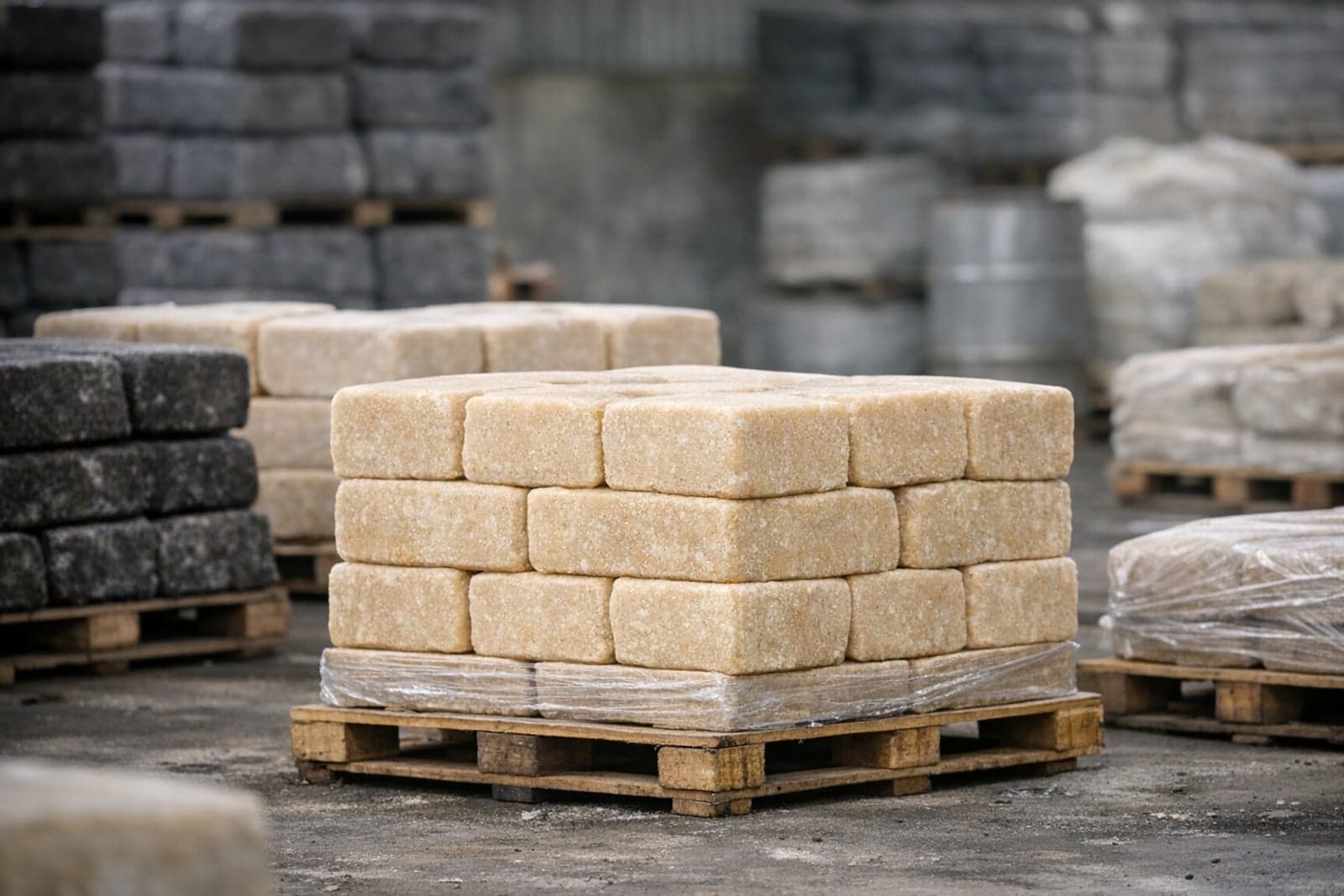
Industrial compounders prioritise processing stability and cleanliness over tire-volume economics. SIR CV delivers constant Mooney viscosity for automated lines, while RSS 1 offers the tightest dirt and ash limits in the smoked-sheet range. Both grades ship with full export documentation and lot-linked laboratory reports.

Constant viscosity for belting and rollers

Conveyor belts and rubber rollers need Mooney inside a narrow band so calender gaps stay consistent. SIR CV with PRI at or above 60 is milled to order with three to four week lead time. Plan quarterly volumes to secure production slots.

RSS 1 for engineered goods

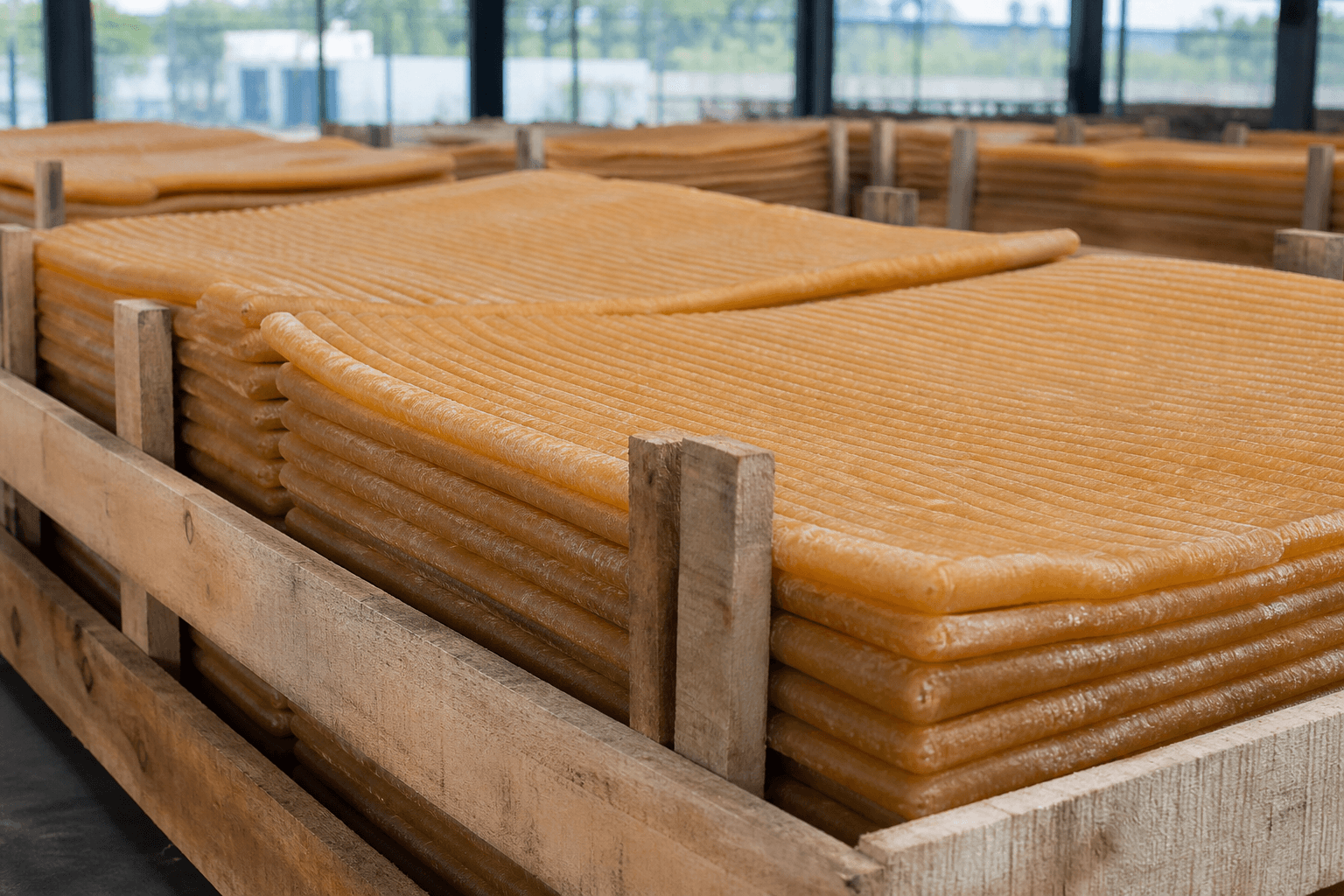
Thin-section mouldings and pharmaceutical rubber components specify RSS 1 when dirt at or below 0.05% matters. Green Book visual grading is the first quality gate; laboratory confirmation follows before export release.

Documentation for industrial inbound QC

Every lot ships with certificate of origin, commercial invoice, packing list, weight and quality certificates, and COA tied to the contract reference. ISO 9001 and ISO 14001 scope documents are available. Third-party inspection can be arranged at the loading port.

Industrial grade FAQ

SIR CV and RSS 1 for non-tire compounders.

Which industrial applications use SIR CV constant-viscosity TSR from Indonesia?

Conveyor belting, rubber rollers, engineered mouldings, and adhesive masterbatches where Mooney drift would disrupt automated weighing. PRI is at or above 60 with Mooney ML 60 plus or minus 5 marked constant viscosity.

When should industrial buyers choose RSS 1 over SIR CV or TSR?

When dirt must be at or below 0.05% and ash at or below 0.50% with Green Book RSS 1 visual grading. RSS 1 is a premium sheet grade, not a high-volume tire material.

What Mooney tolerance should industrial lines expect from SIR CV lots?

ML (1+4) at 100 °C of 60 plus or minus 5 on every export COA with constant viscosity noted. Standard SIR 20 at Mooney 65 is wider and suits tire volume rather than tight industrial SPC limits.

How long is lead time on industrial SIR CV and RSS 1 orders?

SIR CV typically needs three to four weeks for scheduled production. RSS 1 may need the same when seasonal sheet volume is limited. RSS 3 and SIR 20 tire grades are faster when mills have open capacity.

Tell us your grade mix and destination port.

Share volume, incoterms, and whether you need TSR, RSS, or latex. We reply with availability, COA parameters, and an indicative quote within one business day.